Summer is a season of fun, sun, and outdoor adventures – and that includes spending quality time with our beloved four-legged companions. While the warm weather offers numerous opportunities for you and your dog to enjoy the great outdoors, it also brings along some potential hazards. As responsible dog owners, it’s crucial to be aware of these risks and take necessary precautions to ensure their safety and well-being. These essential summer safety tips will help you and your canine companion make the most of the season without any worries.
Hydration is Key:
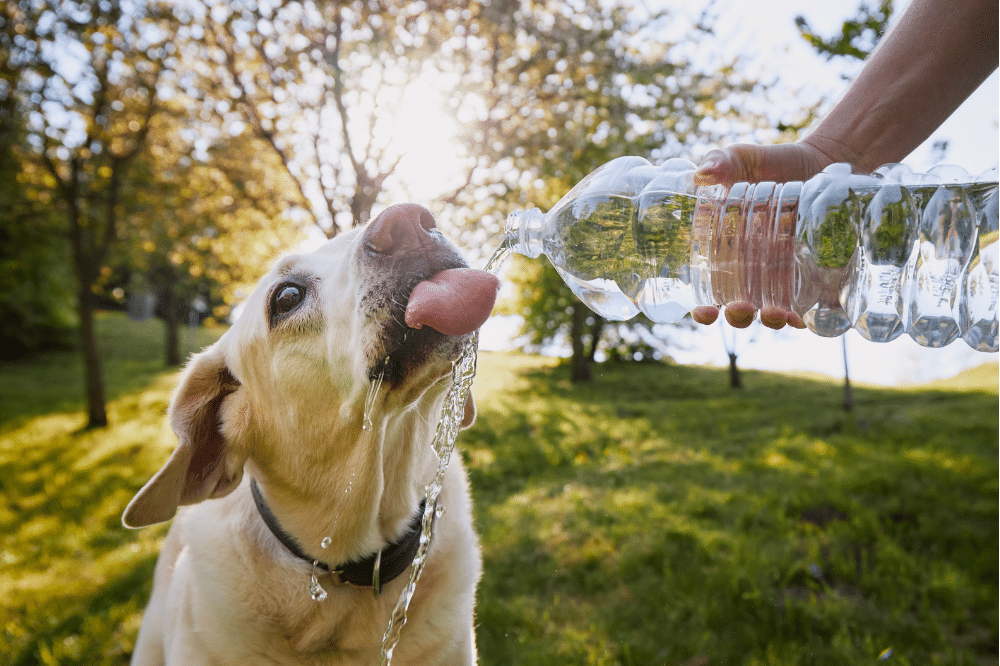
Just like humans, dogs can become dehydrated in hot weather. Always ensure your pup has access to clean and fresh water, especially when you’re out and about. Portable water bowls are a great investment for hikes, walks, and trips to the park. If you’re planning an extended outdoor activity, carry enough water for both you and your dog to stay hydrated.
Never Leave Your Dog in a Hot Car:
Let’s talk about a golden rule for the summer: never, ever leave your furry friend in a hot car. It’s a common misconception that cracking a window will keep the car cool enough for your dog. However, temperatures can rise quickly in a parked car, even on seemingly mild days. Dogs can suffer from heatstroke, which can be fatal, in just a matter of minutes. If you can’t take your dog inside with you, it’s best to leave them at home.
Time Your Walks Wisely:
The pavement can get scorching hot during summer days, which can burn your dog’s paw pads. To test if the pavement is too hot, press your hand on it for a few seconds. If it’s uncomfortable for you, it’s uncomfortable for your pup. Opt for walks during cooler times of the day, such as early mornings or evenings.
Protect Against Parasites:
Warmer weather means an increase in flea, tick, and mosquito activity. Heartworm disease, a potentially fatal condition, is transmitted through mosquito bites. When an infected mosquito bites a dog, it transfers heartworm larvae into the bloodstream, which eventually develop into adult worms that reside in the heart and blood vessels of the lungs. Ensure your dog is up to date on their preventive medications and speak to your veterinarian about the best options for your dog.
Provide Shade and Shelter:
When spending time in your yard or at the park, make sure there’s plenty of shade available for your dog to retreat to. Overexposure to the sun can lead to heatstroke and sunburn, especially for dogs with light-colored coats. If your dog spends a lot of time outdoors, establish a shaded spot where they can seek shelter from the sun’s rays.
Watch for Signs of Overheating:
Dogs can’t cool themselves down as efficiently as humans, making them more susceptible to overheating. Be vigilant for signs of heatstroke, which include excessive panting, drooling, rapid heart rate, vomiting, and lethargy. If you notice any of these symptoms, move your dog to a cooler area immediately and offer water. If the symptoms persist, seek veterinary attention.
Adjust Exercise Intensity:
While regular exercise is important, be mindful of the temperature and your dog’s tolerance level. Avoid intense activities during the hottest parts of the day. Instead, opt for shorter walks, play indoor games, or enjoy water-based activities like swimming.
Summer is a wonderful time to create lasting memories with your furry friend, but their safety should always be a top priority. By following these essential summer safety tips, you can ensure that your dog stays healthy, happy, and well-protected during the warmer months. With a little preparation and attention, you and your dog can have a fantastic summer filled with joyful adventures and worry-free outdoor fun.